Partnering with a Grease Trap Company: Daily Preparedness and Regulatory Compliance for Food Businesses
Business Name: Elite Sanitation Services
Address: Saucier, MS 39574
Phone: (228) 297-4850
Elite Sanitation Services
Since 2016, Elite Sanitation Services has been the premier provider for all your sanitation needs. We deliver comprehensive solutions. Our expert team ensures seamless service for events and construction sites, handling everything from septic system services to grease trap pump-outs and jetting services. We are dedicated to providing superior sanitation services with unmatched reliability and professionalism.
Saucier, MS 39574
Business Hours
Grease control isn't glamorous. It sits under a stainless preparation table or outside behind a steel cover, catching everything your line tosses at it. Yet that box has an outsized result on your kitchen area's health, your capability to pass examinations, and your spending plan. The difference in between a smooth service and a late night shutdown frequently comes down to how well you and your grease trap company collaborate, day in and day out.
I have opened days with a floor that smells like a fried-food hangover, and I have actually stood next to a pumper truck at 5 a.m. Viewing a tech pull out a mat so thick you might turn it like a pancake. The pattern is constantly the exact same. Business that deal with grease control as a shared obligation in between their group and a trusted grease trap service rarely see emergencies. The ones that punt it to "whenever it backs up" pay more, waste time, and select fights with regulators they will not win.
What lives inside the box
A grease interceptor, huge or small, separates fats, oils, and grease from wastewater. The physics are fundamental. Hot water carries fat off plates and pans. That water cools, grease rises, solids settle, cleaner water exits to the drain. The trap slows the circulation so the separation has time to occur. Baffles keep the grease from getting away downstream.
Even when you do everything right on the line, the trap fills. Soap does not liquify fat. Hot water just delays the strengthening. Enzyme or additive items press grease downstream where it solidifies in your pipelines or the city primary. Numerous municipalities prohibit ingredients outright or need explicit approval. The only safe, approved technique is mechanical elimination, implying complete pump out, scraping the walls, rinsing, and disposal at an allowed facility.
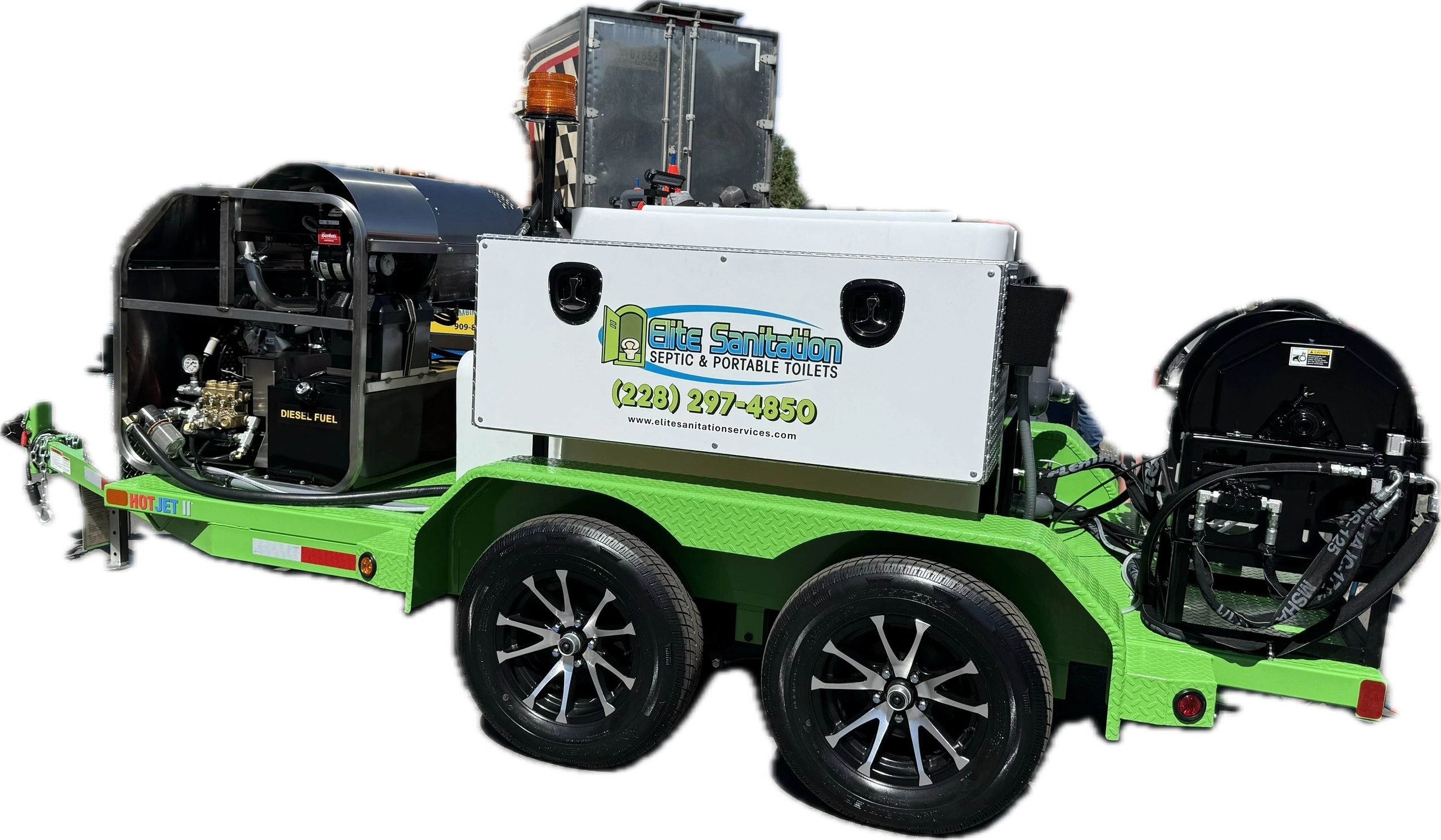
When the trap is ignored, you begin to discover practical changes before the crisis. Floor drains bubble during rush. Preparation sinks drain more slowly. There is a sweet, stale odor that magnifies after the dishwashers run. The cover area becomes slick, with flies that like the environment. None of these are cause to panic yet, but all of them are early warnings that your grease trap cleaning schedule and daily practices require attention.
What regulators in fact expect
Local codes differ, but the basics repeat throughout cities and counties.
First, the 25 percent guideline. If the combined layer of fats on top and solids on the bottom equals a quarter of the effective liquid depth, the unit should be serviced. That is based upon performance, not a calendar. Lots of health departments construct their regular evaluation concerns around this standard and will ask to see records that demonstrate compliance.
Second, frequency. A common baseline is every 30 to 90 days for interior traps. Some fast service kitchen areas pumping a great deal of fryer oil by volume need every 2 to 4 weeks. Outside interceptors are larger, so you might see 60, 90, or 120 day periods, however that only works if day-to-day practices are strong and you remain under 25 percent accumulation. Regulators will set your minimum once they see your patterns.
Third, manifests and recordkeeping. A lot of jurisdictions require a hauling manifest for each grease trap service visit. It should consist of the generator name and address, unit size, date and time, total gallons removed, destination disposal center, and hauler license or permit number. Keep copies on website for one to three years, depending on regional rules. Auditors wish to trace your waste from the trap to the last processor.
Fourth, discharge limits. If your town monitors FOG concentrations at your lateral or a typical line in a plaza, there will be a numeric limit, often in the 100 to 250 mg/L variety, often lower for delicate systems. High readings can set off surcharges, increased frequency demands, or notices of infraction. The root cause is normally bad daily practices paired with overdue service.
Finally, enforcement. Penalties are genuine. I have actually seen $250 cautioning fines become $2,500 repeat offenses and, in several coastal cities, temporary holds on food allows up until the concern is remedied. Cleanup expenses after an overflow, especially if it leaves to storm drains, intensify the bill and bring in environmental companies. The least expensive course is preventive.
The anatomy of a strong partnership
A grease trap company need to be more than a contact number on a sticker label. You desire a service that knows your menu, volume, plumbing layout, hours, and regional guidelines. That relationship starts with a site go to, not a price quote over the phone. An excellent tech will determine the interceptor, check access, check baffles, ask about peak periods, and peek at the meal location to understand just how much solids fill you create.
Discuss frequency, but concur that it will be confirmed by measured sludge and grease density on the first 2 or three services. Great service providers document those measurements with a dip stick, images, and a composed report. That lets you calibrate to the 25 percent rule rather than guessing.
Ask about disposal. Respectable haulers release to permitted grease processing facilities or wastewater plants that accept grease. Get the names of those centers and make certain they appear on your manifests. If the hauler can not supply this, keep looking.
Emergency action matters. Backups do not await office hours. Set expectations for action time, preferably within two to 4 hours for a true obstruction. Clarify prices for after hours, weekends, or vacations so you are not surprised when a truck appears at 11 p.m. After a Saturday dinner rush.
Insurance and training count. The team will open heavy covers, possibly work around traffic, and use vacuum trucks with effective pumps. They must be trained in restricted space awareness, even if they are not entering, and bring spill sets. Your business must be noted as a certificate holder on their insurance coverage so you are notified of any protection lapses.
Finally, scope of work. Full service means total pump out of all chambers, scraping and washing walls and baffles, eliminating solids, and sealing the lid with a fresh gasket or sealant where needed. Partial pumping, often provided as a low rate, only eliminates the leading layer. It leaves heavy solids behind and reduces the time until your next backup.
Daily readiness begins on the line
The greatest chauffeurs of grease accumulation are plate waste and pan residue. You can slow that river of fat with constant habits that barely include time to the shift. Scrape plates and pans into the garbage before they get anywhere near a sink. Use sink strainers and empty them often. Train meal staff to rinse with tempered water rather than blasting with scalding warm water that liquefies whatever and overwhelms the trap. Keep an identified drum for waste fryer oil, and never ever pour oil into a sink, even when you are in a rush at closing.
I like a simple, visible log published near the meal area. Each shift checks 2 items: strainer condition and sink flow. That little routine keeps awareness high. Pair that with a weekly 5 minute walkthrough by a manager who lifts the trap cover, eyeballs the grease cap, and notes any odor. If the cover needs tools or sealant, schedule a tech for a fast check rather, due to the fact that you do not desire untrained personnel spying a rusted cover.
Here is a short list you can use without overcomplicating things.
- Scrape plates and pans into the trash before rinsing, then use sink strainers.
- Empty strainers and wipe sink bowls when they look more like soup than water.
- Keep fryer oil in a dedicated container for recycling, never down a drain.
- Run pre-rinse and dishwashers at recommended temps, not scalding, to avoid pushing melted fat through the trap.
- Note sluggish drains pipes or odors right away in a log, then alert a supervisor if they persist.
How often needs to you set up grease trap cleaning
The right period depends on your food, volume, and practices. A sandwich store with light cooking can frequently extend to 90 days on an indoor trap, offered they control solids. A fried chicken concept running two banks of fryers may require 14 to 1 month. A hotel with banquet volume and inconsistent staffing might land at 60 days even with a big outdoor interceptor.
Some signals assist calibrate:
- If the top layer forms a thick, firm mat that a gloved finger can not quickly stir, you are overdue.
- If you begin to smell a sweet, swampy smell near the dish area after service, you remain in the gray zone.
- If the pump truck regularly gets rid of a volume within 10 to 20 percent of your interceptor's rated capacity, and solids are heavy, your period is too long.
Menu changes matter. Adding a popular brief rib or fried appetizer area can move you from 60 to 45 days without any change in headcount. Seasonal rushes can do the same. In December, when celebrations accumulate, consider a mid month service. It is cheaper than a Saturday night shutdown.
Space and access drive usefulness. An under sink trap might be just 20 to 50 gallons. These small systems fill quickly and can obstruct all of a sudden if a strainer is missing out on for a few days. The reality is that many such traps require 14 to thirty days attention depending upon usage. If that cadence strains your budget plan, purchase training and upstream controls to slow the load. Meanwhile, prepare the service throughout off hours or pre open windows so the smell does not struck prep.
What a professional grease trap service see must look like
When the team shows up, they need to park securely, set cones if needed, and sign in with a supervisor. For interior traps, they will secure surrounding floorings, get rid of the lid carefully, and take a fast measurement of grease and solids. Then they will insert the vacuum hose pipe, eliminate all contents, and scrape the walls and baffles. Some will rinse with water and vacuum once again to catch residuals. If they find a damaged baffle or missing gasket, they need to flag it with images and note it on the report.
For outside interceptors, expect a heavier setup. The truck will stage near the manhole, remove the lid areas, and follow the exact same complete elimination and scraping steps. It is typical for this to take 30 to 90 minutes depending upon size, gain access to, and condition. At the end, the lid ought to be reset square and sealed where required, the area washed down, and any splatter controlled. Ask the tech to reveal you the grease thickness reading they taped, then conserve the service ticket and manifest.
If the crew just skims the leading or declines to open numerous chambers, that is a red flag. Interceptors often have separate compartments for solids and FOG. Skipping a chamber leaves solids that will move and clog the outlet. Quality control here settles in months of difficulty totally free operation.
The paperwork that conserves you throughout audits
A neat binder can turn a tense evaluation into a casual chat. Keep a devoted grease control folder with:
- Copies of all grease trap cleaning manifests with volumes removed and disposal sites.
- An easy service log that notes dates, providers, and any corrective actions.
- A day-to-day or weekly list with initialed entries, even if it is just 2 line items.
- Any correspondence from your city related to FOG requirements, including your appointed frequency.
- Photographs of the trap interior taken quarterly, if your hauler provides them. They show that walls are clean and baffles intact.
Retention periods vary, but one to three years is typical. If you are part of a larger brand name, scan and save digital copies too. The best inspectors I know value clarity and will often decrease their scrutiny when they see consistent records.
The genuine cost math
Most operators comprehend unit rates, not system cost. A standard interior trap service might cost $200 to $450 in lots of markets, greater in dense urban locations. Large outdoor interceptors can run $400 to $900 depending upon size, range to truck staging, and market rates. If your hauler takes a trip far or deals with tight gain access to, expect a premium.
Compare that to the expense of a backup throughout peak. A plumbing might charge $250 to $600 for a cable or jetter, if the obstruction is available. If the trap is the offender and requires an emergency situation pump out, add another $300 to $800 after hours. If wastewater overflows into preparation or visitor areas, prepare for sterilizing, possible lost shifts, and, in the worst cases, remediation that quickly hits 4 figures. Add the soft expenses, like personnel hours invested rescheduling, calming visitors, and cleaning after midnight. Routine service looks cheap.
Surcharges from the city can be quiet yet expensive. Some towns add a monthly fee if your FOG releases test high, frequently in the $50 to $200 range, up until you show control. That accumulates over a year. You can burn the exact same money on 3 or 4 preventive pump outs that really fix the condition.
Edge cases and judgment calls
Not every cooking area fits the standard playbook.
Under sink traps in tight spaces can be awkward. Ensure the plumbing technician installed a trap with a detachable cover and enough clearance for a tech to service it without taking apart half your millwork. If you can not lift the cover without moving equipment, you will pay more and service gets postponed. A little redesign or hinge kit can pay for itself in a few visits.
Food trucks and kiosks face restrictions on water and waste holding. If you run mobile units that hook into a commissary, the commissary's interceptor takes the hit. Coordinate with them to share records, especially if the health department inspects your mobile operation separately.
Shared interceptors in shopping centers or multi occupant pads produce conflict. If the line surpasses limitations, the property owner may pass costs to all renters. Keep your own records tight and ask your grease trap company to record your trap condition. That method, if a surrounding tenant disregards their system, you have evidence you are not the source.
Septic systems include a twist. Grease management is even more important since fats float in the septic system and can obstruct the soil absorption area. Regional guidelines may need both a grease interceptor and more frequent septic pumping. Make sure your hauler is authorized for both streams.
Winter weather condition causes covers to bond to their frames. A supplier who brings de icers and spare gaskets will do the job without breaking concrete. Storm schedules likewise press emergency reaction. Strategy additional buffer time around vacations and heavy snow periods.
Training that sticks
Grease control lives or passes away with your group's practices. I like to include a two minute pre shift reminder once a week. Keep it simple, like "Today, we are enjoying sink strainers. If you dump a strainer filled with solids into the sink, you are undoing all of our work." Rotate the focus. Some weeks speak about oil handling, other weeks about reporting slow drains. Celebrate when the log shows absolutely no odor notes, since that means the system is working.
Assign accountability. A lead in the dish area can initial the daily list. A manager can examine the weekly walkthrough. When the grease trap service comes, have the opener or a manager sign the ticket, look at the readings, and keep in mind any recommendations. If the team needs to remove https://titusvzis248.novacrestiq.com/posts/septic-tank-emptying-plan-and-also-greatest-practices-for-long-term-unit-health-and-wellness an old seal every time, schedule a repair and stop wasting 20 minutes of service time per visit.
When the sink backs up during the rush
Backups happen. What matters is how controlled your action looks. Keep this easy strategy published near the dish area.
- Stop water flow right away at sinks and meal makers, then redirect unclean ware to a bus tub or backup station.
- Check strainers and apparent obstructions at the component first, clear if safe, and do not utilize warm water to push through.
- If the trap is interior and accessible, look for overflow or lid seepage, then call your grease trap company and plumber together.
- Contain any spill with towels and a mop, sanitize affected areas, and keep food preparation zones isolated.
- Log the occurrence with time, staff on task, and actions taken, then examine with your company to adjust service frequency.
This method can save you an hour of turmoil and gives your hauler context to diagnose origin. Oftentimes, the repair is not brave. It is just overdue service paired with a clogged up strainer upstream.
Working efficiently with inspectors
Invite inspectors into your process instead of playing defense. When they get here, show them clear access to the trap, a clean pad or floor around it, and your binder of records. If you have recently changed frequency based upon measured thickness, point that out and show the report. If you had an incident, do not hide it. Describe the actions you took and the adjustment you made with your grease trap service. Inspectors are trained to search for patterns. When they see you measure, record, and proper, they relax.
Choosing the best grease trap company
Price matters, however the most inexpensive quote that skips half the work will cost you later. When you vet suppliers, try to find a few telltales of professionalism. Do they carry out and tape pre and post measurements of grease and solids? Do they provide photos of the interior after cleaning? Can they call the disposal facilities they utilize, and do those names appear on your manifests? Do they use predictable scheduling with pointers and a way to reschedule when your peak moves change?
Ask for recommendations from comparable operations. A coffee bar and a high volume fryer house do not share the exact same problems. A company who keeps chicken chains working on 21 day cycles knows how to deal with heavy loads and short windows. Likewise, inquire about include ons. Some companies bundle light pipes, baffle repairs, or inlet basket replacements. Others stay with pumping only. There is no single right response, however it is better to understand what you are getting.
Technology helps, but compound matters more. Timestamped reports with GPS work, yet they do not replace a cleaned up baffle. Still, those tools reveal you the crew got here when they said they did and assist you match service times to your logs.
The payoff for doing this well
When you get the rhythm right, the system fades into the background. Personnel stop talking about smells. Drains run clear. The truck shows up on a foreseeable cadence, does the work, and leaves behind a clear record. You pass assessments with minutes to spare. Most of all, your attention stays where it belongs, on visitors and food.
Grease control is not rocket science, however it does reward care and partnership. Treat your grease trap company like a colleague, not a last hope. Provide information from your flooring, request for theirs from the trap, and make little modifications as your menu and seasons change. Set that with a few non flexible habits at the sink and on the line. You will spend less, sleep much better, and prevent the sort of midnight memories no operator desires, like mopping a flooded meal pit while a pumper truck idles outside.
A cooking area that is day-to-day ready and compliant is not luck. It is the outcome of stable practice, sincere interaction, and a service provider who does the full job every time. If your current partner is not providing that, it is worth the effort to discover one who will.
Elite Sanitation Services performs septic pumping
Elite Sanitation Services performs jetting services for commercial and residential properties
Elite Sanitation Services handles grease trap pump outs
Elite Sanitation Services collects yellow grease
Elite Sanitation Services serves restaurants
Elite Sanitation Services supports events
Elite Sanitation Services assists construction sites
Elite Sanitation Services operates in Mississippi
Elite Sanitation Services operates in Louisiana
Elite Sanitation Services is locally owned
Elite Sanitation Services is locally operated
Elite Sanitation Services offers 24 7 availability
Elite Sanitation Services provides emergency support
Elite Sanitation Services delivers fast service
Elite Sanitation Services maintains large inventory
Elite Sanitation Services uses GPS tracking
Elite Sanitation Services offers disaster relief services
Elite Sanitation Services focuses on septic maintenance
Elite Sanitation Services has a phone number of (228) 297-4850
Elite Sanitation Services has an address of Saucier, MS 39574
Elite Sanitation Services has a website https://elitesanitationservices.com/
Elite Sanitation Services has Google Maps listing https://maps.app.goo.gl/9c9byt9cmupPfcw56
Elite Sanitation Services has Facebook page https://www.facebook.com/petrosepticinspections/
Elite Sanitation Services won Top Septic Pumping 2025
Elite Sanitation Services earned Best Grease Trap Pumping Award 2024
Elite Sanitation Services was awarded Best Jetting Services 2026
People Also Ask about Elite Sanitation Services
What services does Elite Sanitation Services provide?
Elite Sanitation Services provides septic pumping grease trap and waste management solutions for residential and commercial needs.
Where does Elite Sanitation Services operate?
Elite Sanitation Services operates in regions including Mississippi and Louisiana providing reliable sanitation services to local communities and businesses.
Does Elite Sanitation Services handle septic tank pumping?
Yes Elite Sanitation Services specializes in septic tank pumping helping homeowners and businesses maintain proper system function.
Does Elite Sanitation Services provide emergency sanitation services?
Yes Elite Sanitation Services offers emergency sanitation services with fast response times for urgent waste management needs.
What industries does Elite Sanitation Services serve?
Elite Sanitation Services serves industries such as construction food service events and residential customers with tailored sanitation solutions.
Does Elite Sanitation Services clean grease traps?
Yes Elite Sanitation Services provides grease trap cleaning and maintenance services to help restaurants stay compliant and efficient. Including jetting services.
Is Elite Sanitation Services locally owned?
Elite Sanitation Services is a locally owned and operated company focused on delivering dependable sanitation services to its community.
What are jetting services offered by Elite Sanitation Services?
Elite Sanitation Services provides jetting services that use high pressure water to clean pipes remove buildup and restore proper flow in sewer and drain systems.
When should I use Elite Sanitation Services for jetting services?
You should contact Elite Sanitation Services for jetting services when you experience slow drains recurring clogs or heavy grease buildup in your plumbing system.
Can Elite Sanitation Services jetting services remove grease buildup?
Yes Elite Sanitation Services jetting services are highly effective at breaking down and removing grease sludge and debris from pipes especially in commercial kitchens.
Are Elite Sanitation Services jetting services safe for pipes?
Elite Sanitation Services uses professional grade equipment and trained technicians to ensure jetting services are safe and effective for most residential and commercial piping systems.
Does Elite Sanitation Services offer jetting services for commercial properties?
Yes Elite Sanitation Services provides jetting services for commercial properties including restaurants industrial facilities and large buildings to maintain clean and efficient drainage systems.
Where is Elite Sanitation Services located?
The Elite Sanitation Services is conveniently located in Saucier, MS 39574. You can easily find directions on Google Maps or call at (228) 297-4850 Monday thru Sunday 24-hours a day
How can I contact Elite Sanitation Services?
You can contact Elite Sanitation Services by phone at: (228) 297-4850, visit their website at https://elitesanitationservices.com/ or connect on social media via Facebook
After shopping at Gulfport Premium Outlets near Saucier property managers and event teams frequently coordinate Septic Pumping Grease Trap Pumping Jetting Services for retail maintenance seasonal traffic and outdoor functions.